
Better than Sony? 🤔 Sennheiser Momentum 5 review vs WH-1000XM6, Momentum 4, HDB 630
Today I’m going to compare the Sennheiser Momentum 5 to the Momentum 4, the HDB 630, and just to make it a bit interesting, the Sony WH-1000XM6. The Momentum 5 is not a radical change from the previous version, but it is a meaningful one.
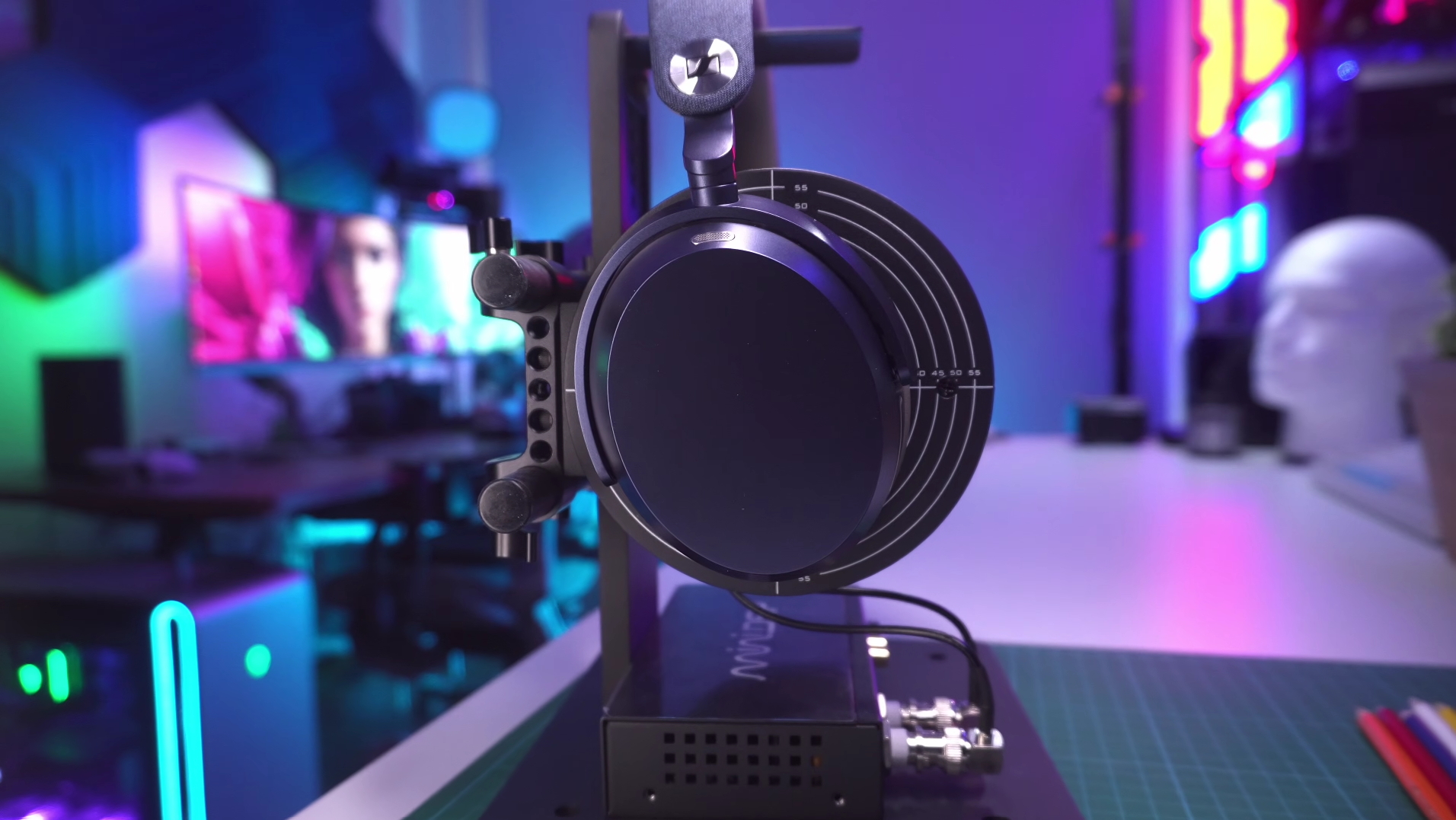
For example, they’ve doubled the microphones on each earcup which should improve its noise canceling, mic pickup and transparency mode. That actually remains to be seen so we’ll be finding out for real later.
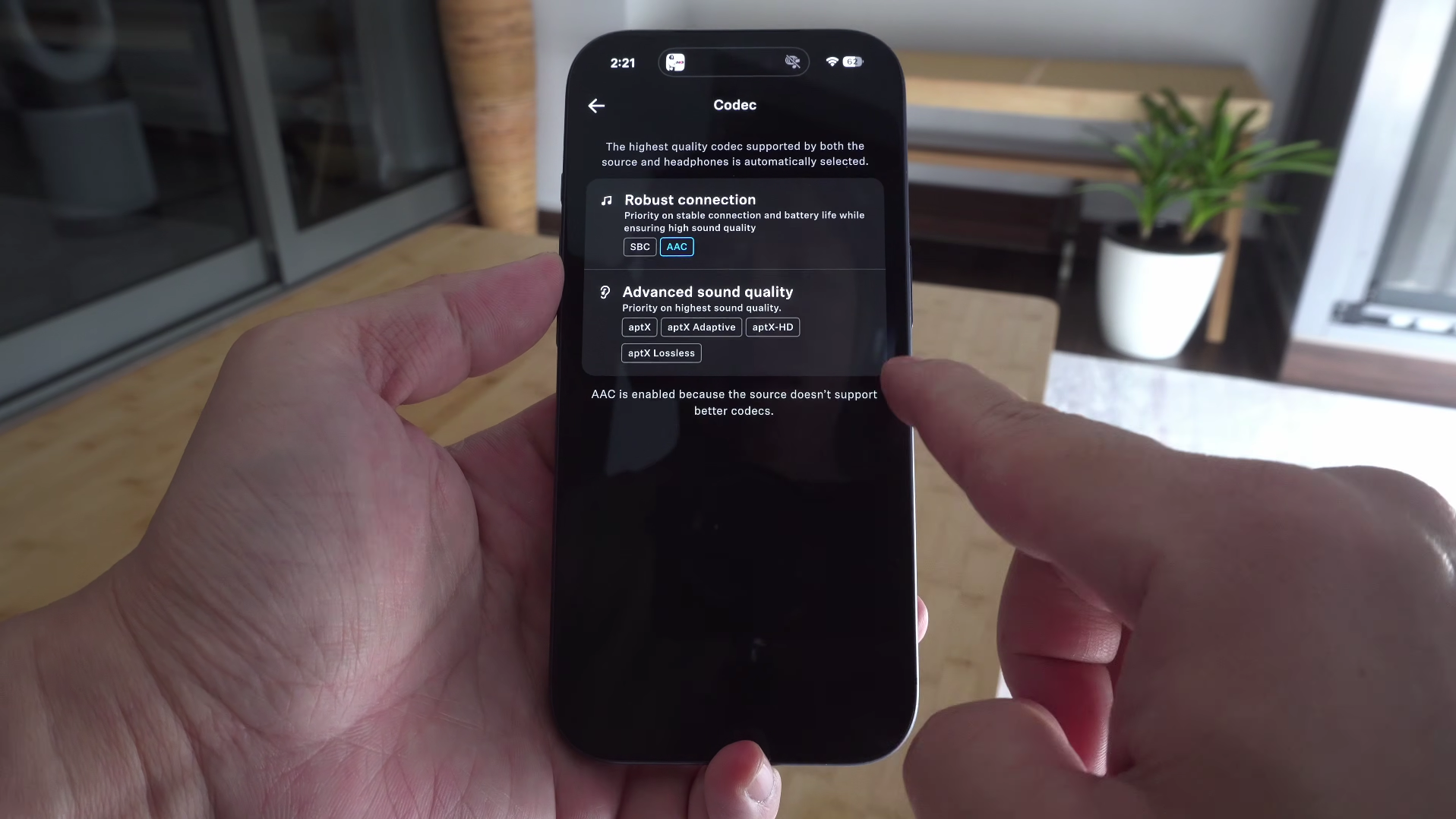
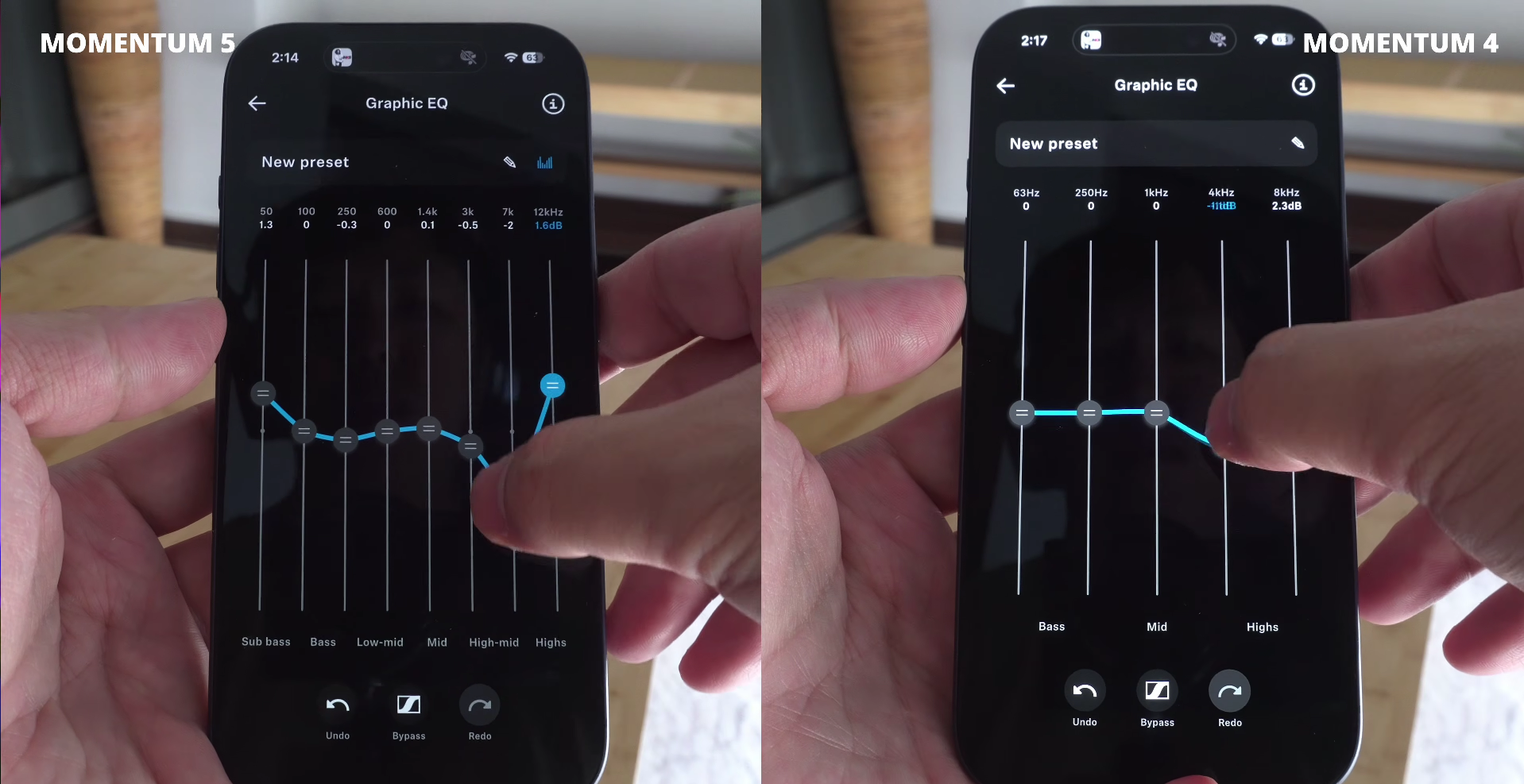
On the features front, it’s now Hi-Res wireless certified, since it supports aptX Lossless. It also supports Dolby Atmos spatial audio with head tracking if the content supports that. The graphic equalizer’s been upgraded to one with 8 bands compared to the previous 5 - this means you can make more granular adjustments to the sound.
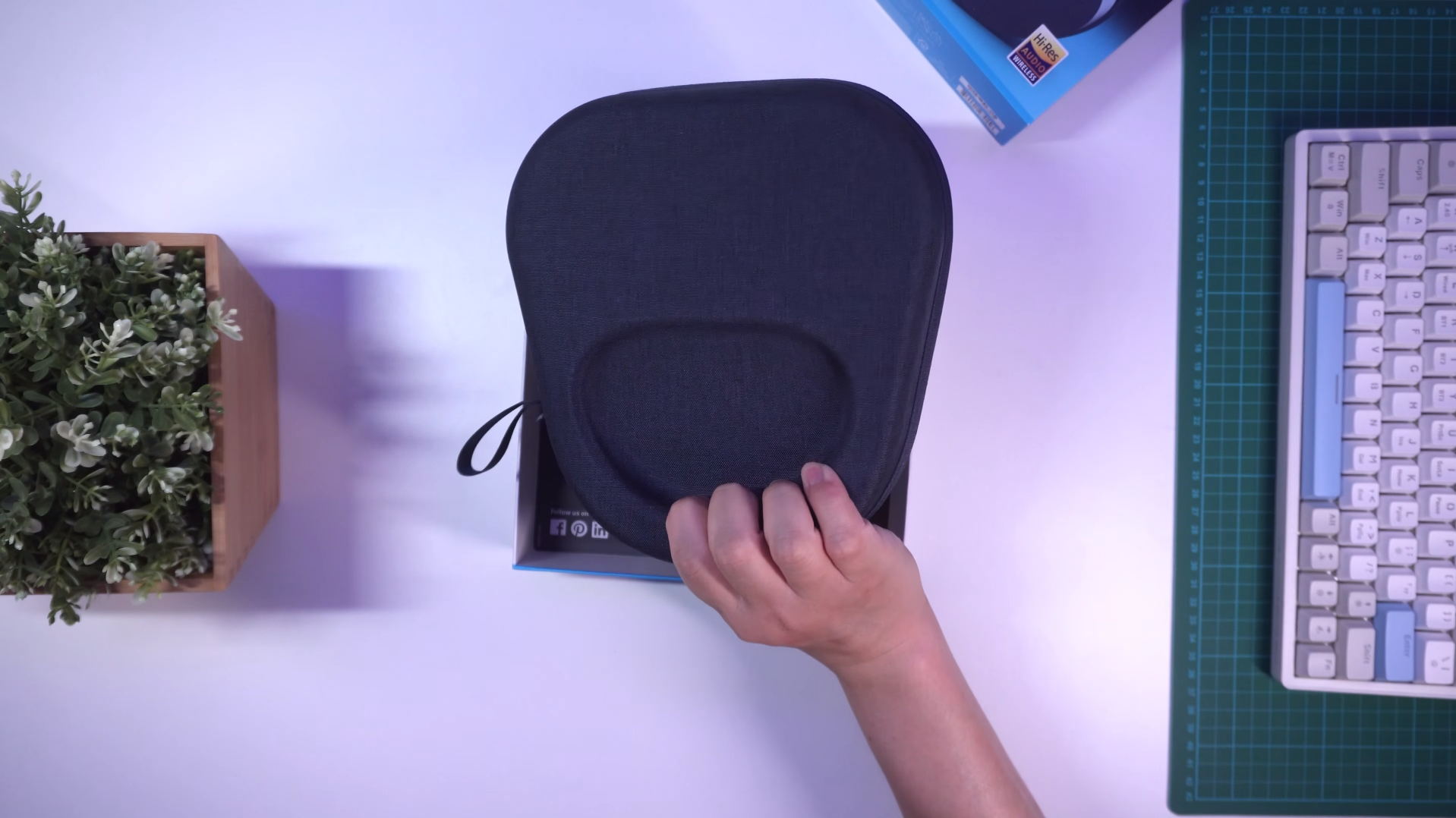
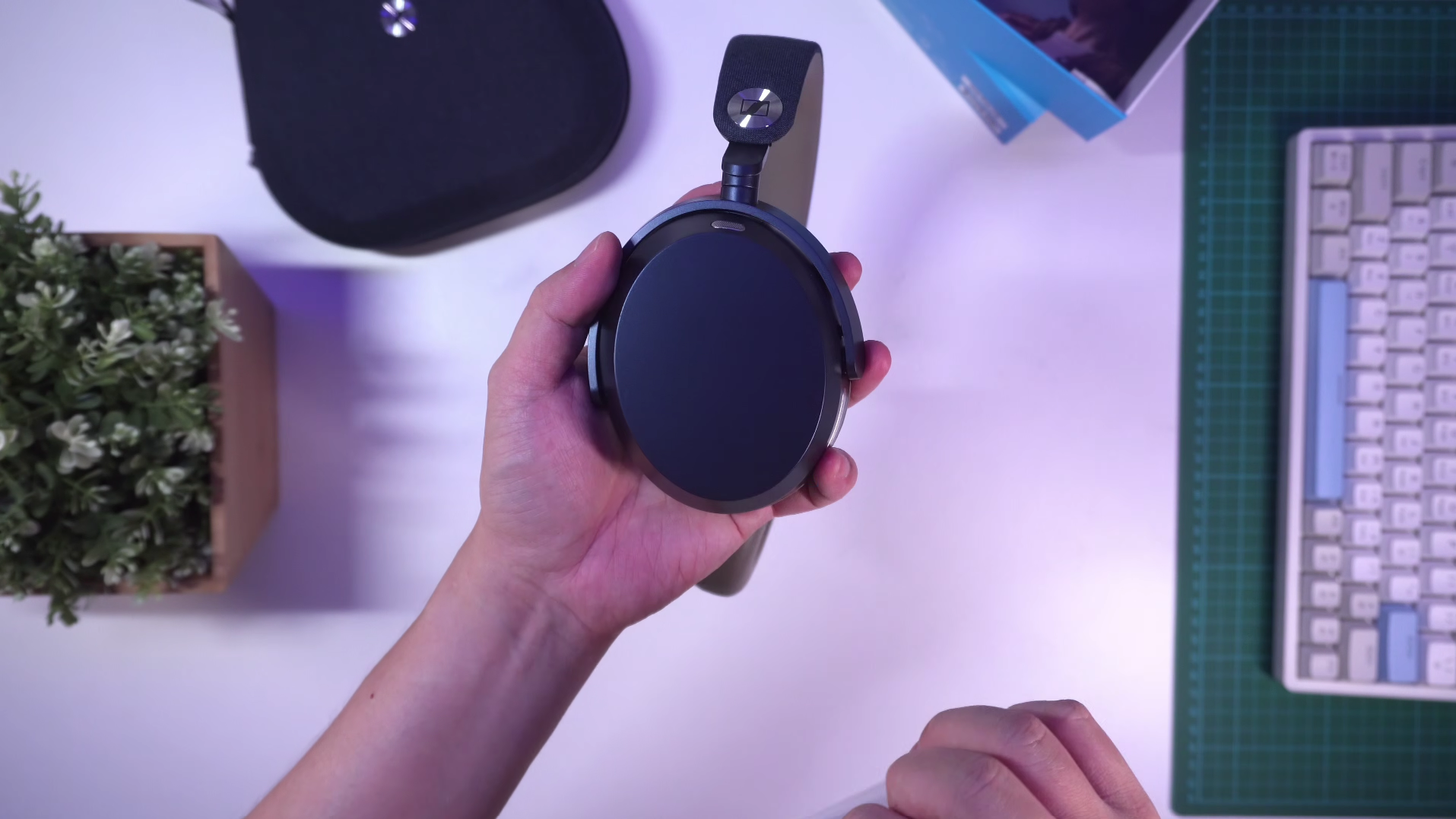
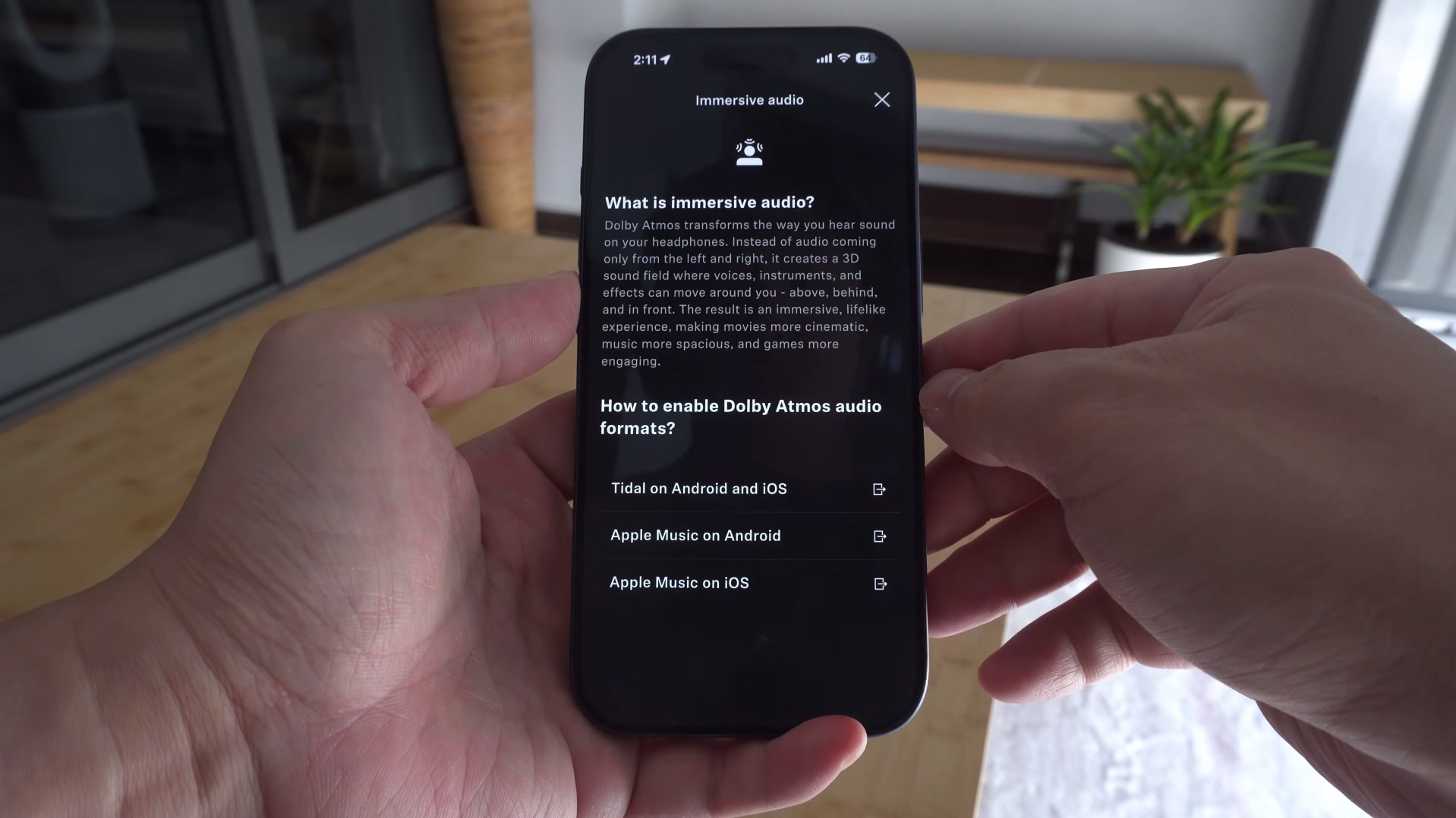
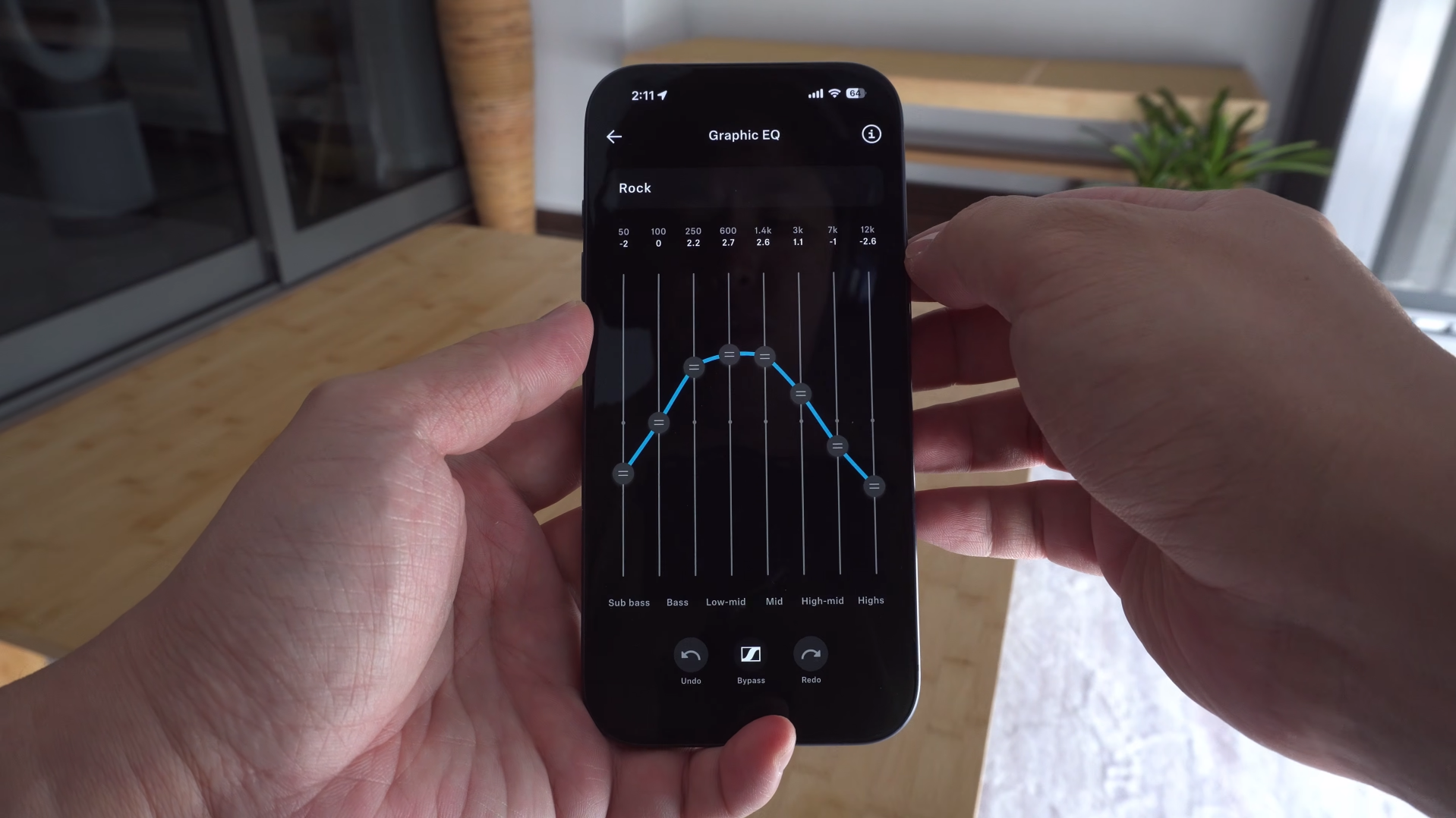
The case is also worth mentioning, because it’s easily the skinniest Sennheiser case I’ve ever seen. So those are some upgrades over the Momentum 4, however, battery life is a smidge shorter at up to 57 hours with ANC versus the previous 60, but the battery is now user-replaceable and I have confirmed that it will be available in Sennheiser stores so when the battery lifespan’s depleted, you can swap it for a fresh one - DIY.
Of course, there’s also the HDB630 which is a bit more audiophile oriented, so you get some extras like a parametric equalizer that allows for pinpoint frequency and Q-factor adjustments, a signal chain display so you know exactly what stages the signal is passing through. You can also apply a crossfeed to blend both stereo channels.
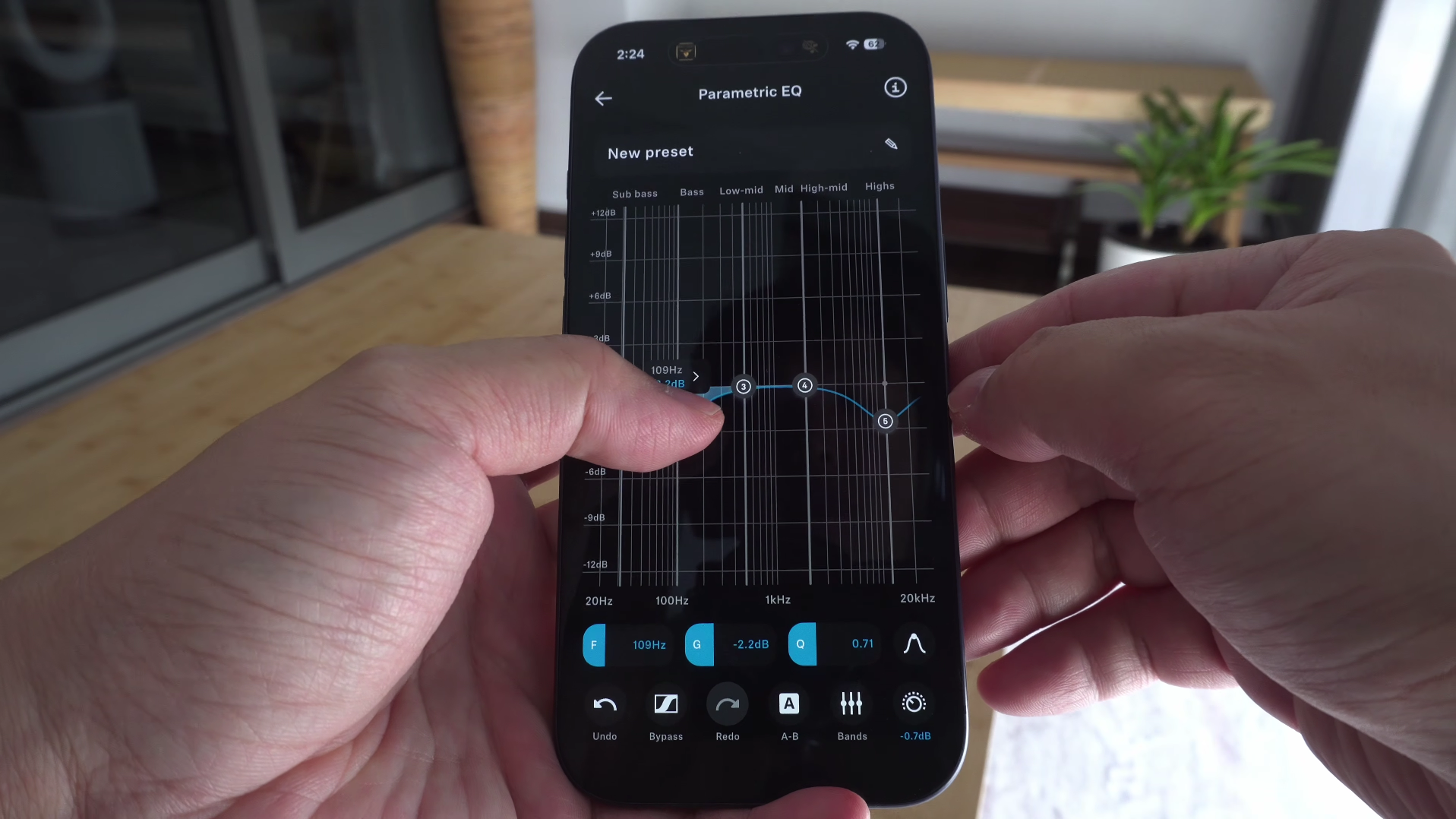
Sennheiser HDB 630’s Parametric EQ
Useful in some cases, and I talked about that extensively when I reviewed the HDB630, but of course it doesn’t have things like Dolby Atmos support, or aptX Lossless streaming. Instead, it does include the BTD 700 which is awesome for streaming in higher quality aptX Adaptive even if the source device does not support it. But then again, that is something that you can even purchase separately for the Momentum 5.
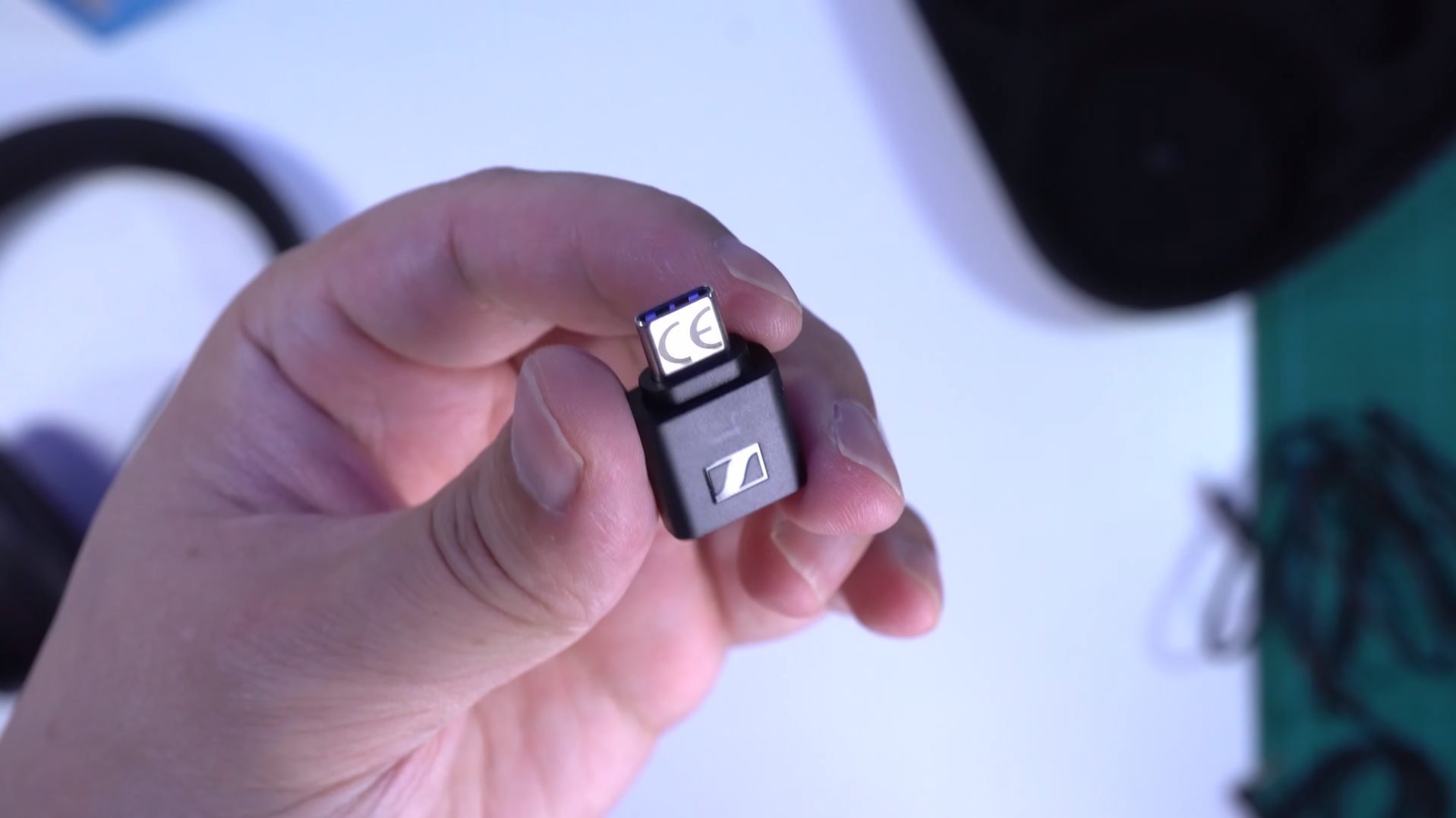
Microphone Quality
In terms of microphone quality, it’s mixed. The M5 is an improvement over the M4 and HDB630, but not that much. On their default settings the M5 didn’t really deal that well with wind noise and my voice wasn’t filtered very well. The Sonys did the best job here in my opinion.
👉🏻 Have a listen to the mic quality samples
Active Noise Cancelling
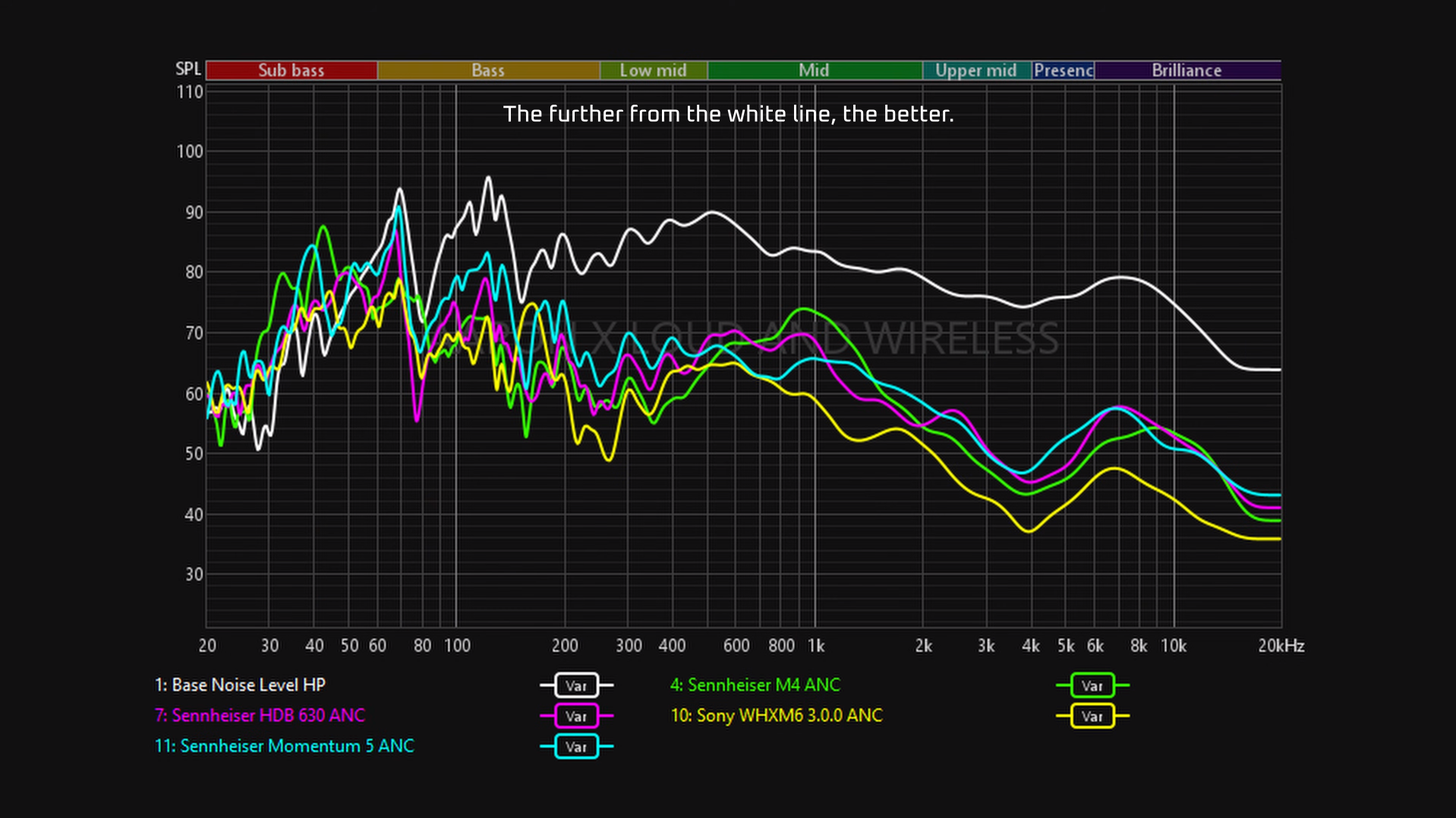
For active noise canceling, this is surprising. The Momentum 5 are powerful noise cancelers, but they’re not an upgrade over the M4. And that’s largely because of the M5’s cushions. They’re a little thinner and less dense, and while that makes it a bit more comfortable to wear, it doesn’t passively block noise as well, and that has an impact on active noise canceling, especially if the algorithm is applying the same amount of active canceling as the M4s.
Frequency sweeps show that indeed, it cancels less noise in the lower to midrange region compared to the M4, and it is also less quiet than the HDB630. But as you can hear from the samples, all the Sennheisers aren’t as quiet as the Sony Mark 6.
👉🏻 Have a listen to the ANC quality samples
Transparency Mode
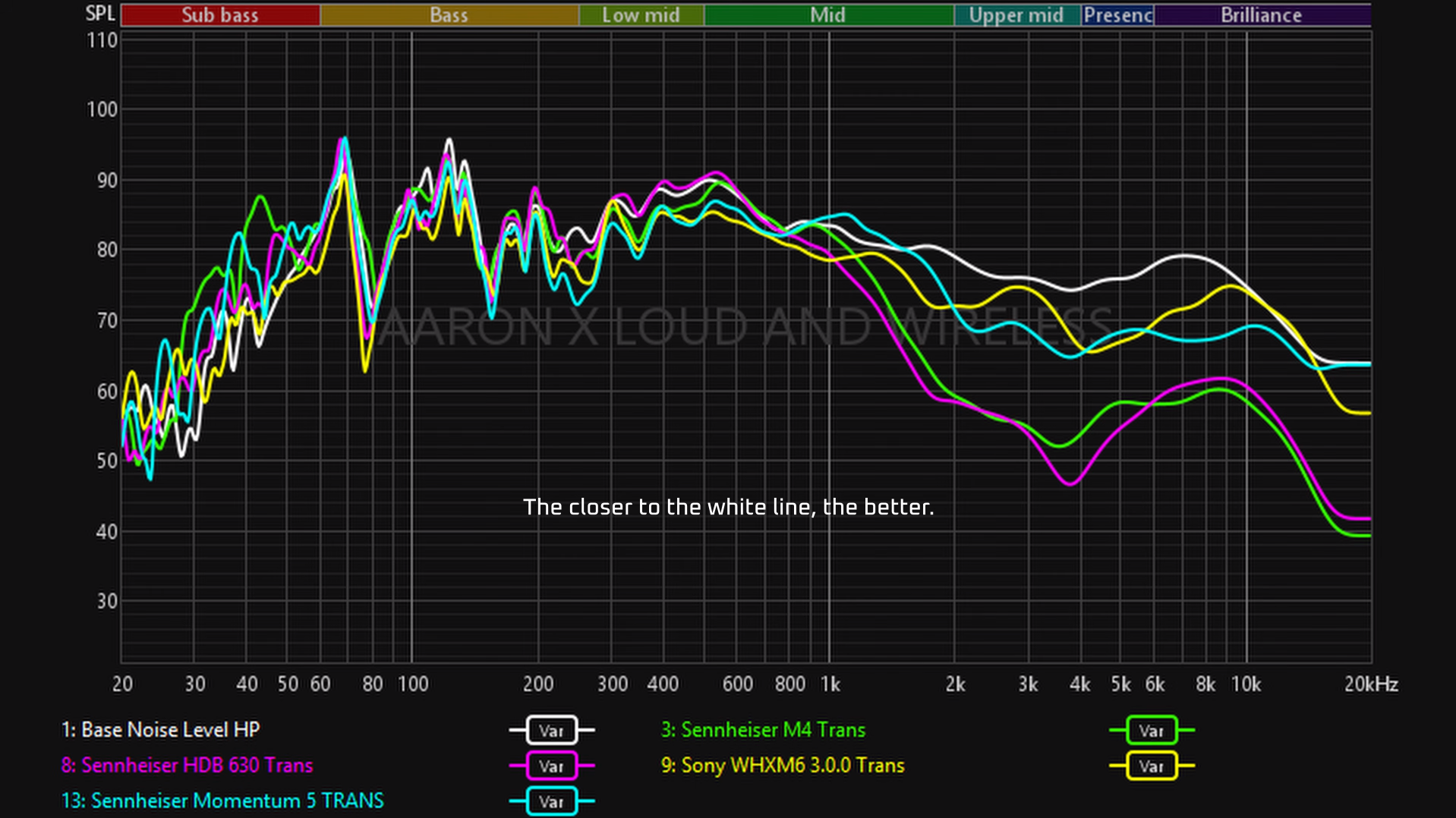
In terms of the Momentum 5’s transparency mode, it’s got the best transparency of all the Sennheisers. I like the fact that it amplifies the upper mid to treble frequencies more so there’s less occlusion in voices, and face to face conversations in transparency mode feels more natural. The ambient sounds its passing through does have a little glassiness which feels a bit artificial.
In this area, the Sony is better because its transparency doesn’t have that glassiness, as well as sounding more crisp and bright compared to the M5’s transparency.
Sound Quality
For sound quality, let’s listen to some sound samples comparing these headphones A-B, and then I’m going to compare them individually.
👉🏻 Have a listen to the sound quality samples
Sennheiser Momentum 5 vs Momentum 4
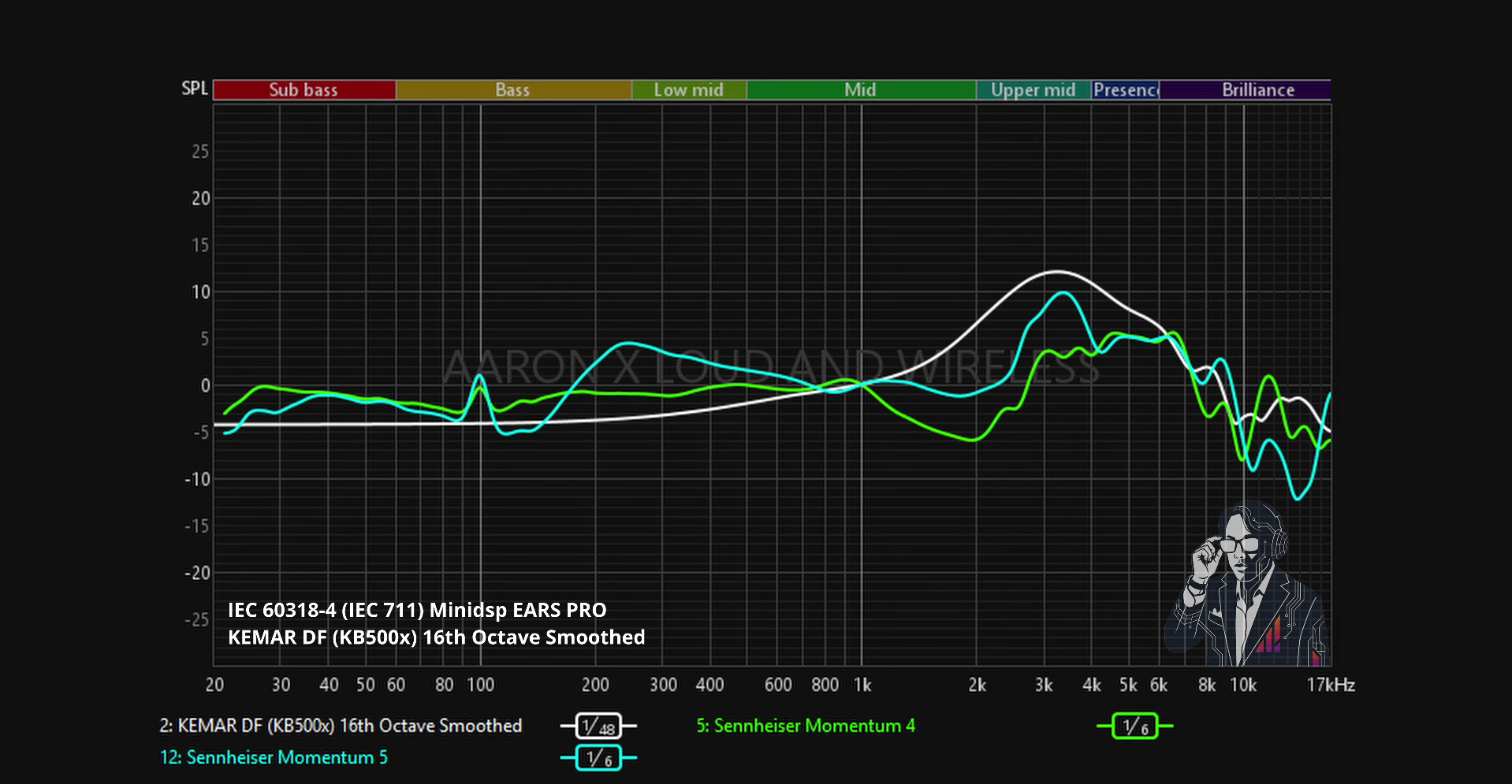
Comparing the default sound quality of the Momentum 5 to the Momentum 4, the M5 has a fuller midrange signature, because the M4’s mids sound a bit too pulled back, so the M4’s vocals don’t have that heaviness and body that the M5 has. The M5 is also a bit more bass heavy so there’s a bit more gravity and thumpiness than the M4 which has bass that’s a bit more muted. I will say overall that the Momentum 5 is a pretty meaningful upgrade.
Not so much in terms of features, as they are pretty similar in that aspect, except for better graphic EQ, Dolby Atmos and aptX Lossless support. But I do prefer the M5’s tuning, they’re a little more comfortable to wear, and they perform better in terms of its transparency, and mic pickup.
The user-replaceable battery is also a big plus. Great for if you want to keep it long term, and also for the potential resale value. So if you have the M4, the M5s are worth the upgrade in my opinion. But if active noise canceling is your priority, just be aware that the M4 is still a bit stronger in this area.
Check latest price:
Sennheiser Momentum 5 - https://amzn.to/4xBkfZ4
Sennheiser Momentum 4 - https://amzn.to/3TAxQOb
Sennheiser Momentum 5 vs HDB 630
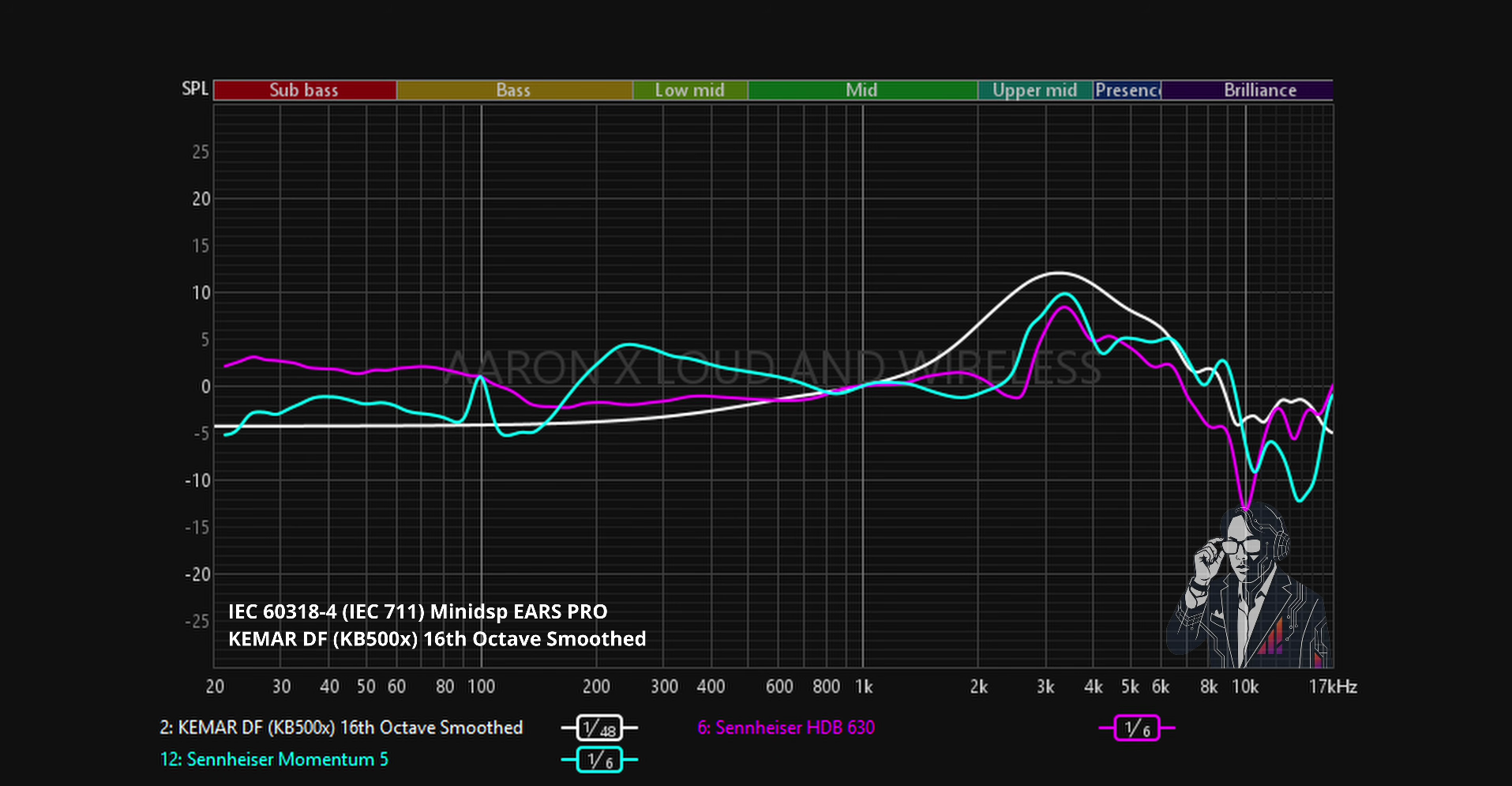
Comparing the default sound of the Sennheiser Momentum 5 to the HDB 630, I do think the M5s sound fantastic, clean and punchy, track separation’s also comparable to the 630. But the 630 takes the cake. It’s better for more critical listening because the dynamic range is higher, so it does emphasize upper mids and high frequency details more. I’m talking about instruments like shakers and hi-hats being brighter, louder and crisper, as well as background details in the soundstage.
And if you want to tune it, the 630 also has more granular settings like that parametric EQ. And finally, the HDB630’s noise canceling is a little more powerful than the M5’s. Now, where the Momentum 5 is better is in terms of comfort. Although its cushions aren’t as plush, the earcups feel a bit more roomy so there’s more breathing room, which is a little better for longer listening sessions.
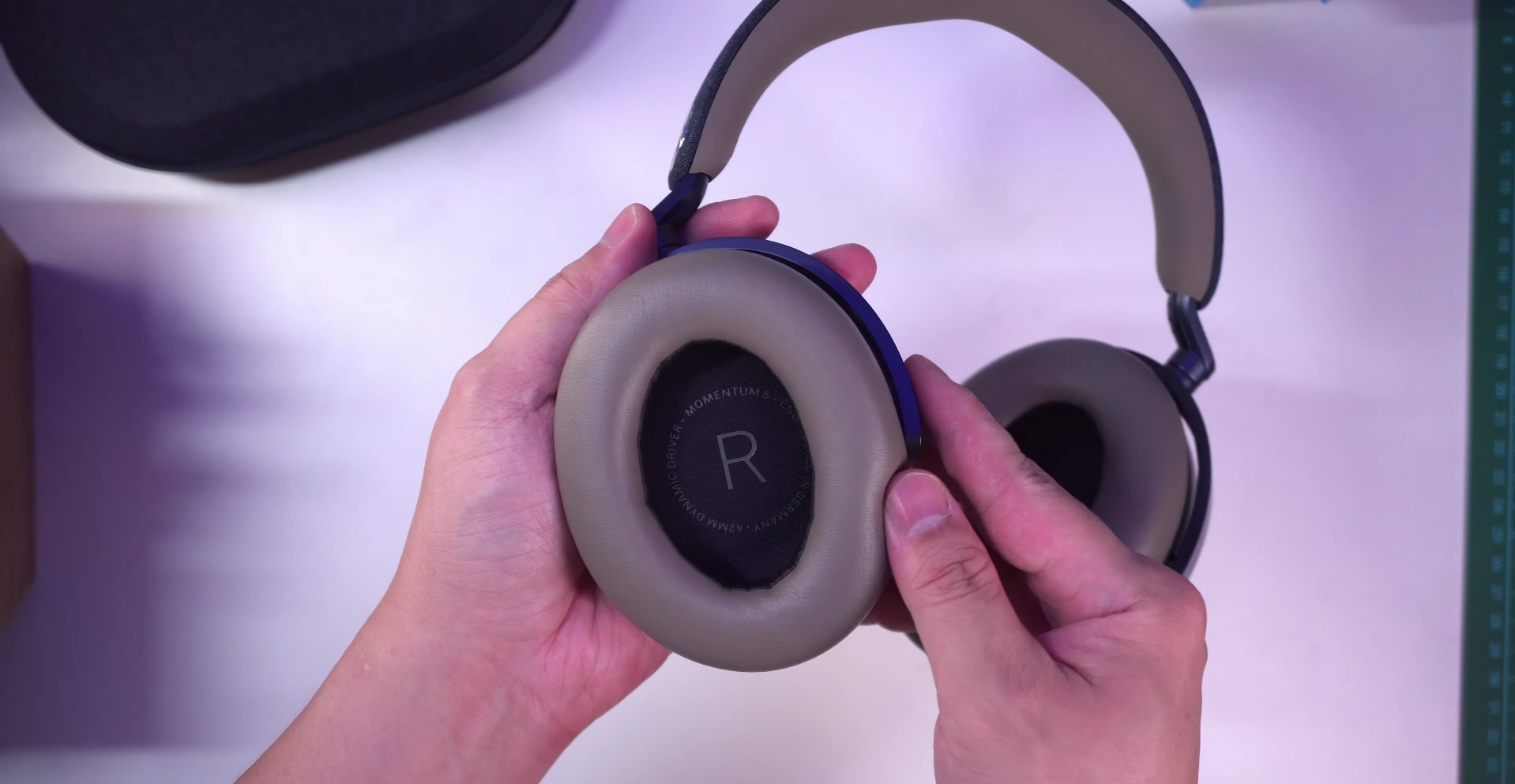
Extra points for the M5 for its better transparency mode, and having user-replaceable batteries so you can extend its lifespan by simply buying the battery from Sennheiser. Don’t even have to send it to the service center. For many people, that could be a more compelling reason to get the M5 instead of the 630.
Check latest price:
Sennheiser Momentum 5 - https://amzn.to/4xBkfZ4
Sennheiser HDB 630 - https://amzn.to/43IhW8Q
Sennheiser Momentum 5 vs Sony WH-1000XM6
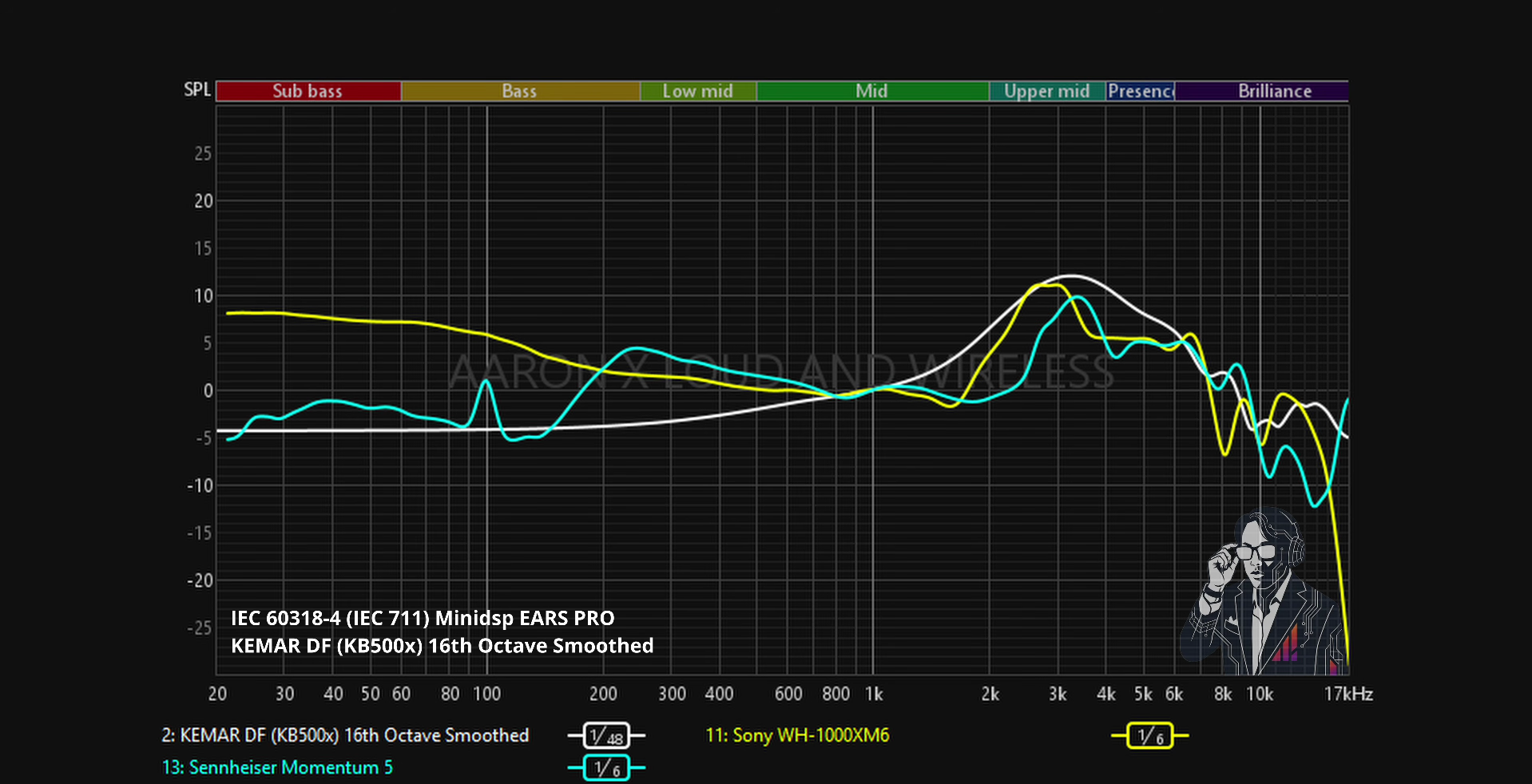
Comparing the Momentum 5 to the Sony WH-1000XM6, out of the box, the Sennheisers sound better. It hits all the right spots for me in terms of separation, bass response, and detail. You may think it’s because of the larger 42mm drivers compared to the Sony’s 30mm, but it’s actually more to do with how the Sonys were tuned by default. It’s too emphasized in the mids, bass lacks depth, and there’s little crispness or air in the soundstage.
It could be this rolloff above 15khz. But after tuning it with my Singapore Spring EQ, in my opinion, it can compete with the Sennheisers. Sound quality aside, I will choose the Sonys for its better mics for phone calls, noise canceling and transparency, and it’s also a little more comfortable to wear because it seems to wrap around my head better.

Aaron’s Singapore Spring EQ
That being said, the Momentum 5 is better as an audiophile headphone, because although the Sonys support LDAC, which is a far more common Hi-Res codec than aptX Lossless, the Sennheiser supports direct wired USB-C audio which the Sony doesn’t. It also has almost twice the battery life of the Sony, and the battery is user replaceable. One more reason I like the Sennheisers more is, when I drape it around my neck, the Sennheisers don’t choke me as much as the Sonys.
⚠️ Check latest price:
Sennheiser Momentum 5 - https://amzn.to/4xBkfZ4
Sony WH-1000XM6 - https://amzn.to/4n6OcuL
(Affiliate Links Disclosure)
When you make a purchase through the Affiliate Links on this site, the site earns a small commission at no cost to you. Thank you for your support!
